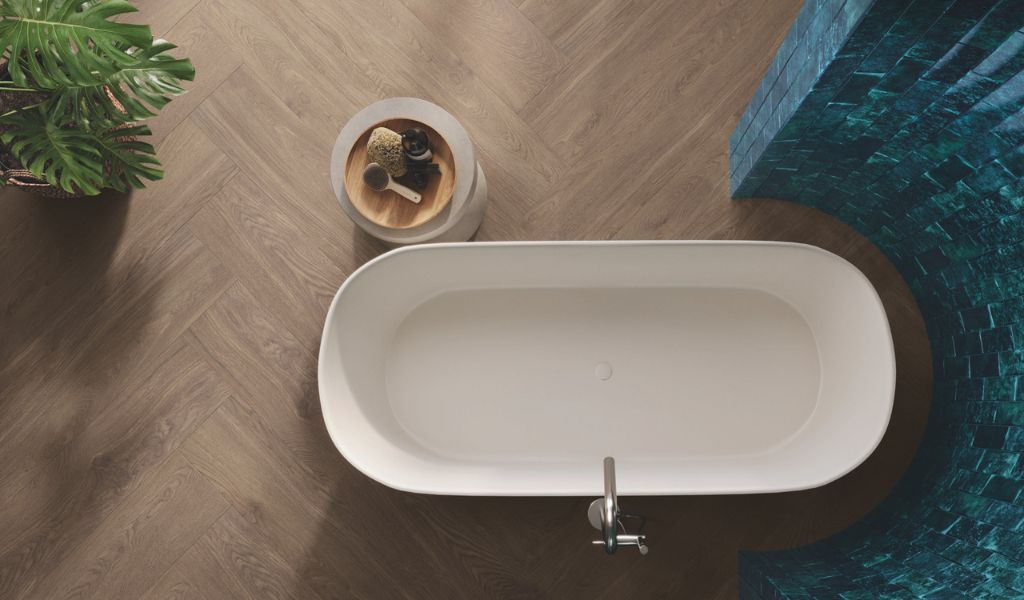
Your bathroom should be a place of relaxation, not worry. With moisture constantly present, non-slip bathroom tiles are essential for safety, especially in wet areas where slips and falls are common.
But how do you choose the right bathroom tiles that provide the grip you need?
In this post, we will break down what makes tiles non-slip, how slip resistance is measured, and why it’s important to select the right materials for your bathroom.
Let’s dive in to learn how slip resistant tiles can make your bathroom safer, more functional, and still stylish.
What is Slip Resistance?
Slip resistance is the measure of a tile’s ability to resist slippage, crucial in wet areas where the risk of falls is high. This characteristic is the unsung hero of bathroom safety, working quietly beneath your feet to prevent accidents.
Why are Non-slip Bathroom Tiles Important?
Non-slip bathroom tiles are essential for creating a safe and functional bathroom, especially in areas prone to moisture. They not only improve safety but also ensure your bathroom remains both stylish and practical. Below are a few reasons why you should consider slip resistant bathroom tiles for your bathroom:
-
- Increased safety: Reduces the risk of slips and falls in wet areas.
- Ideal for high-traffic zones: Perfect for showers or around bathtubs, where water exposure is common.
- Suitable for all ages: Provides confidence for children, seniors, and anyone with limited mobility.
- Durable and long-lasting:Resistant to moisture and wear, ensuring lasting safety.
- Low maintenance: Helps prevent mold and mildew buildup.
- Stylish options: Combines safety with a variety of designs to fit any bathroom style.
What Makes Tiles Non-Slip?
Anti-slip bathroom tiles are designed to prevent slips by providing better grip, especially in wet areas. Factors like surface texture, material type, and anti-slip treatments work together to provide a safer walking surface.
1. Surface Texture
Tiles with a rough or matte surface provide better grip. These textures help create friction, making them safer to walk on in areas prone to moisture. Smooth or glossy tiles, on the other hand, can become slippery when wet.
2. Material Type
The material of the tile affects how slip-resistant it is. Porcelain and ceramic tiles are durable and water-resistant, while natural stone tiles like slate or granite offer better grip due to their texture. These materials are well-suited for areas that need extra safety.
3. Anti-Slip Coatings and Treatments
Anti-slip coatings are applied to tiles to make them safer to walk on. These coatings work well on smooth tiles, giving them more grip, especially in bathrooms or kitchens where water is common. The treatments can last for a long time or be reapplied when needed.
Tile Slip Rating: How is Slip Resistance Measured in Bathroom Tiles?
Slip resistance is an important factor to consider when choosing bathroom tiles. To ensure safety, tiles are tested using different methods that measure their ability to resist slipping when wet. Let’s take a look at the most common tests used to evaluate slip resistance in bathroom tiles.
1. R‑Value (Ramp Test)
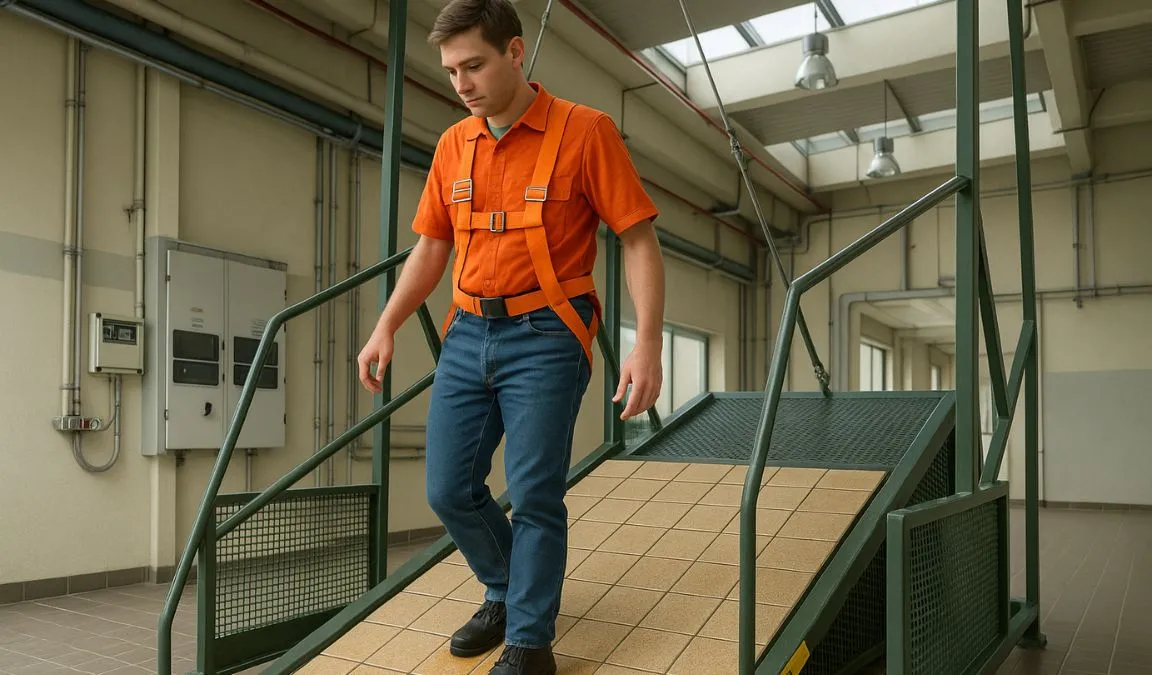
The R‑value is a common measurement used to assess slip resistance in bathrooms. This test involves tilting a tile on a ramp covered with water, and the tile’s resistance is measured based on the angle at which a person would slip.
R-values typically range from R9 to R13, with R13 providing the highest level of slip resistance, making it ideal for areas prone to moisture like bathrooms.
R-Value Breakdown:
| R-Value |
Slip Resistance |
Recommended Areas |
| R9 |
Low resistance |
Dry indoor areas (e.g., bedrooms, offices) |
| R10 |
Moderate resistance |
Lightly wet areas (e.g., kitchens) |
| R11 |
High resistance |
Wet areas with light foot traffic (e.g., bathrooms, corridors) |
| R12 |
Very high resistance |
High wet areas with heavy foot traffic (e.g., shower floors) |
| R13 |
Excellent resistance |
High-moisture areas with frequent water exposure (e.g., wet rooms, pool surrounds) |
2. Pendulum Test (P‑Value)
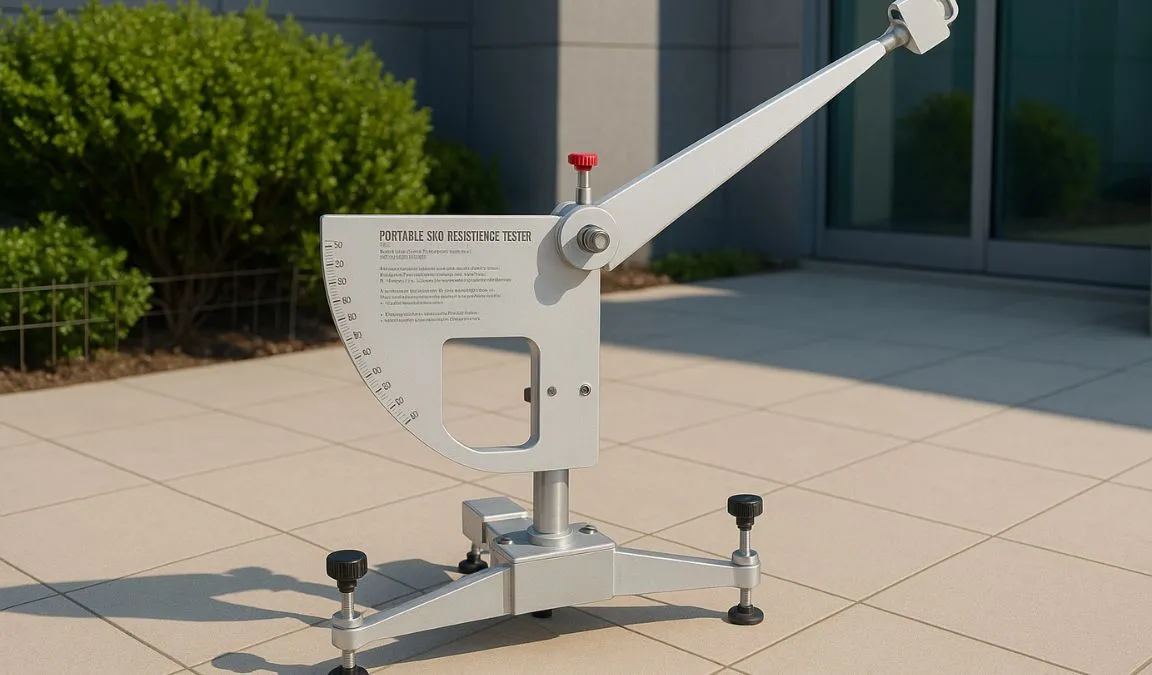
The Pendulum Test, also known as the P‑Value, measures how much friction a surface provides when walked on. A rubber slider swings across the tile’s surface, and the tile’s ability to resist slipping is measured based on the movement of the pendulum. The results are rated from P1 to P5, with P5 offering the highest level of slip resistance, making it ideal for areas prone to water.
P-Value Ratings:
| P-Value |
Slip Resistance |
Recommended Areas |
| P1 |
Low friction, low resistance |
Dry indoor areas (e.g., bedrooms, living rooms) |
| P2 |
Moderate friction |
Lightly wet areas (e.g., kitchens, hallways) |
| P3 |
High friction |
Wet areas with low traffic (e.g., bathrooms, entrances) |
| P4 |
Very high friction |
Wet areas with medium foot traffic (e.g., public bathrooms, pool surrounds) |
| P5 |
Excellent friction |
High-moisture areas with high foot traffic (e.g., showers, wet rooms) |
3. Coefficient of Friction (COF / DCOF)
The Coefficient of Friction (COF) or Dynamic Coefficient of Friction (DCOF) measures the amount of friction between the tile and the surface it’s in contact with. A higher COF means the tile has better slip resistance, which is very important for bathroom safety. For bathrooms, tiles should have a DCOF rating of at least 0.42 to ensure a safe walking surface.
COF/DCOF Ratings:
| DCOF Rating |
Slip Resistance |
Recommended Areas |
| Below 0.42 |
Low resistance, unsafe for wet areas |
Not suitable for wet areas (e.g., bathrooms, showers) |
| 0.42 or higher |
Good resistance |
Ideal for wet areas with moderate foot traffic (e.g., bathroom floors, near showers) |
| Above 0.60 |
High resistance |
High-slip resistance for high-moisture areas (e.g., wet rooms, poolside) |
Best Non-slip Bathroom Tiles by Materials
Picking the right material for your bathroom tiles is important not just for style, but for safety too. Some materials offer better slip resistance than others, so let’s take a look at the best options for non-slip bathroom tiles.
1. Porcelain Tiles
Porcelain tiles are a top pick for bathrooms because they’re durable, water-resistant, and dense. This makes them naturally slip-resistant, especially when you opt for matte or textured finishes. These tiles can handle both moisture and heavy foot traffic, making them perfect for busy bathrooms.
Best for: High-traffic bathrooms, or areas like showers and wet rooms where water exposure is constant.
2. Ceramic Tiles
Ceramic tiles are a budget-friendly option for non-slip bathroom floors. For slip resistance, go for matte or textured finishes that provide better grip. They’re not as durable as porcelain, but they’re still a reliable choice for areas with moderate moisture.
Best for: Light to medium-traffic bathrooms, where moisture levels aren’t too high.
3. Natural Stone Tiles
Natural stone tiles like slate, marble, or travertine offer a beautiful textured surface that helps reduce slipping. Opt for honed or tumbled finishes for extra grip. These tiles need sealing to protect against water damage but offer a premium look and feel.
Best for: Bathrooms where you want a luxurious look with strong slip resistance, especially for floors and shower areas.
4. Vinyl Tiles
Vinyl tiles are a great option if you’re looking for something affordable yet slip-resistant. They’re available in a range of designs, and the textured surfaces give you good grip even when wet. Plus, they’re easy to clean and maintain.
Best for: Budget-conscious homeowners who want a slip-resistant floor that’s simple to install and maintain.
5. Mosaic Tiles
Mosaic tiles, with their small pieces and lots of grout lines, are fantastic for slip resistance. They’re ideal for areas like shower floors, where water exposure is constant. The small size and grout lines help reduce slipperiness, providing a safer surface to walk on.
Best for: Shower floors or any wet area where you need maximum slip resistance.
Looking for unique design ideas? Check out how bathroom feature tiles can transform your space.
How to Choose the Right Non-slip Bathroom Tiles
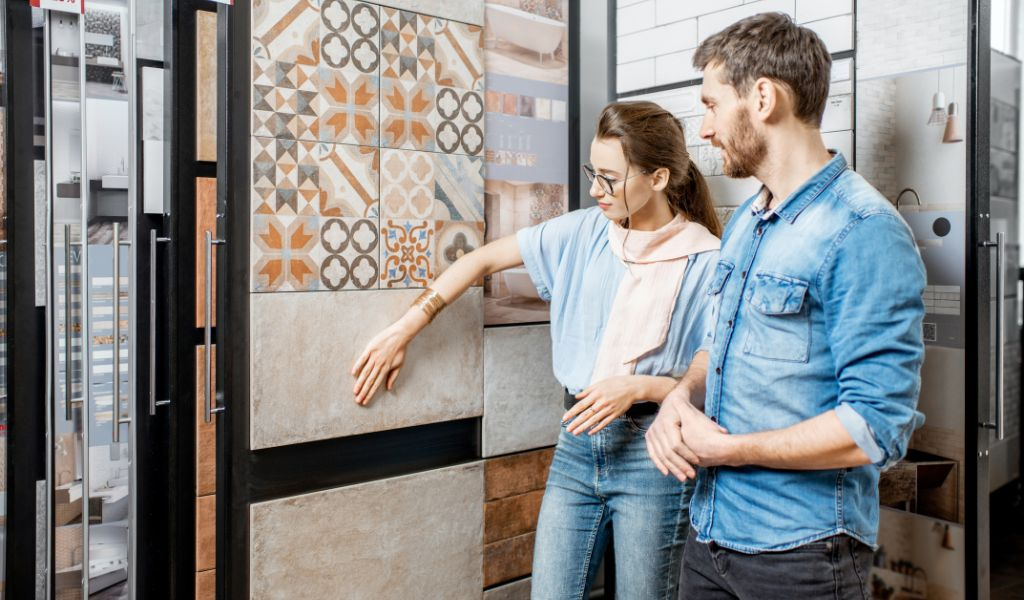
Choosing non-slip bathroom tiles is about finding the perfect balance between safety and style. Let’s go over some key factors that will help you pick the best tiles for your bathroom.
1. Bathroom Type
Start by thinking about the type of bathroom you’re designing. For example, showers and wet rooms need tiles that can handle a lot of water and provide strong slip resistance. On the other hand, a guest bathroom or powder room might not need quite as much slip protection.
Consider how much moisture and foot traffic the space will get and choose tiles accordingly.
2. Slip Resistance Rating
Tiles come with ratings that tell you how slip-resistant they are. The higher the rating, the safer they are for wet areas.
Make sure you pick tiles with a rating that suits your bathroom’s needs, particularly in areas that get a lot of moisture, like around the shower or sink.
3. Tile Finish & Texture
The texture of your tiles plays a huge part in how safe they are. Glossy tiles may look great, but they can get slippery when wet. Opt for matte or textured finishes, as they provide more grip underfoot.
Go for honed or sandblasted finishes to improve traction, especially in areas like the shower or near the sink.
4. Tile Size & Shape
Smaller tiles tend to offer more grip because the extra grout lines provide traction. Larger tiles, while stylish, have fewer grout lines and may be more slippery when wet. So, while bigger tiles might look sleek, smaller ones are often a safer choice for bathroom floors.
5. Aesthetic Considerations
It’s important to find tiles that match your bathroom’s style, but that doesn’t mean you have to sacrifice safety. There are plenty of beautiful non-slip tiles available in all sorts of colours and patterns.
Find a design that fits your bathroom’s look while making sure it’s safe to walk on, even when wet.
Looking to upgrade your bathroom? Check out these 20 modern bathroom renovation ideas that will completely transform your space!
6. Durability and Maintenance
Bathroom tiles need to withstand water and foot traffic without losing their slip resistance. Porcelain tiles, for example, are durable, low-maintenance, and great for wet areas.
Pick tiles that are easy to clean and built to last, so your bathroom stays safe and stylish with minimal upkeep.
7. Budget
Your budget will naturally influence your choices. Fortunately, there are plenty of slip-resistant tiles at different price points. While some options may be a bit more expensive, you can still find affordable tiles that offer both safety and style.
Look for the best value. Safety doesn’t have to come with a hefty price tag, and you can find quality options within your budget.
Common Misconceptions about Non-slip Bathroom Tiles
There are several myths surrounding non-slip bathroom tiles that can make people hesitant to choose them. Let’s clear up these misconceptions and show how non-slip tiles are a smart and stylish choice for any bathroom.
Myth: “Non-slip tiles are only for elderly people or people with disabilities.”
Non-slip tiles aren’t just for people with mobility issues. They’re a smart safety feature for anyone, especially in wet areas like showers or around the bathtub, where slips can happen easily.
Concerned about slippery floors? Check out our expert guide to non-slip floor tile options.
Myth: “All non-slip tiles look the same or are unattractive.”
Non-slip tiles come in a wide range of styles, colours, and textures. You don’t have to sacrifice style for safety. Whether you prefer sleek porcelain or natural stone, there are many options that look great and keep you safe.
Myth: “Non-slip tiles are hard to clean or maintain.”
Non-slip tiles are just as easy to maintain as regular tiles. While textured surfaces might need a bit more care, a regular cleaning routine will keep them in great condition. Plus, anti-slip coatings make maintenance even easier.
Myth: “Non-slip tiles are only necessary in high-traffic areas.”
Non-slip tiles are beneficial throughout the bathroom, not just in high-traffic zones. Even in areas with less foot traffic, they provide extra security, reducing the risk of slips from water spills or wet floors.
Myth: “Non-slip tiles are always rough and uncomfortable to walk on.”
Non-slip tiles are designed to provide safety without being uncomfortable. Many textured options offer a comfortable, natural feel underfoot, ensuring that they’re safe and pleasant to walk on.
Maintenance and Care for Non-slip Bathroom Tiles

Regular cleaning is important to maintain the slip resistance of your bathroom tiles. Over time, dirt, grime, and moisture can wear away the textured surface that gives non-slip tiles their grip. Keeping your tiles clean not only ensures safety but also helps preserve their look and durability.
Best Practices for Cleaning
To keep your non-slip tiles functioning well, follow these best practices for cleaning:
-
- Avoid waxes or polishes: These can make the tiles slippery. Stick to non-slip cleaners to maintain their grip.
- Use mild, non-abrasive cleaners: Harsh chemicals can damage the surface. Opt for gentle cleaners that won’t affect the texture.
- Clean regularly: Frequent cleaning prevents the buildup of dirt, soap scum, and grime that can reduce slip resistance.
- Use a soft brush or cloth: A soft brush will help clean grout lines and textured surfaces without damaging the tiles.
- Dry the tiles: After cleaning, dry the tiles to prevent moisture buildup, which can lead to mold growth.
Preventing Buildup
To ensure your tiles maintain their slip resistance, it’s important to prevent the accumulation of soap scum, grime, and mold:
-
- Address soap scum and grime: Clean these areas regularly with a non-abrasive cleaner. Soap scum can reduce grip, so it’s essential to remove it promptly.
- Control moisture: Avoid letting water sit on the tiles. Drying the surface after cleaning can help prevent the growth of mold or mildew.
- Use mold-resistant cleaners: For bathrooms prone to humidity, use a mold-resistant cleaner to keep the tiles safe from buildup.
Why Choose TFO for Non-slip Bathroom Tiles
At TFO, we offer a wide range of non-slip bathroom tiles that combine safety with style. Whether you’re looking for durable porcelain, natural stone, or affordable vinyl, we have options to suit any bathroom. With over 50 years of experience, we help you find the perfect tile for your needs.
Our expert team, including in-house designer Stephanie, provides personalised advice to ensure your bathroom is both functional and beautiful.
Visit our Sydney showroom or browse our collection online to get started on creating a safer, stylish bathroom today.
Non-slip Bathroom Tiles FAQs
Are porcelain tiles slippery?
Porcelain tiles are not inherently slippery, but their slipperiness depends on the finish. Matte or textured porcelain tiles offer better grip and are less slippery, while glossy finishes can become slippery, especially when wet. For safer bathroom floors, choose textured or matte porcelain tiles.
How to Check the COF or R-Value in bathroom tiles?
To check the COF (Coefficient of Friction) or R-Value, look at the tile’s slip resistance rating. Higher R-values (R10 and above) or COF ratings (above 0.42) indicate better slip resistance, making the tile safer for wet areas like bathrooms.
Is the R-Value Ramp Test the Same as the Oil-Wet Ramp Test?
No, they are different tests. The R-Value Ramp Test measures slip resistance in wet conditions, typically using water on a ramp. The Oil-Wet Ramp Test, on the other hand, uses oil to simulate slippery conditions, commonly used in kitchens or industrial settings. The R-Value Test is generally used for bathrooms.
How to clean non-slip bathroom tiles?
You can clean non-slip bathroom tiles regularly with mild, non-abrasive cleaners. Avoid using wax or polish, as these can make the surface slippery. Use a soft brush to remove grime from textured tiles, especially in high-moisture areas like showers.
How to make bathroom floor tiles non-slip?
To make non-slip bathroom floor tiles, you can apply an anti-slip treatment to smooth tiles or opt for textured finishes. There are also slip-resistant mats and coatings available to improve grip without replacing the tiles.
What is the best anti-slip bathroom floor tiles for a bathroom?
Porcelain and ceramic tiles with a matte or textured finish are great non-slip options. Natural stone like slate, also offers excellent grip and a more luxurious feel. Choose tiles with a high slip resistance rating for added safety.
What is the best tile for a walk-in shower floor?
Mosaic tiles are great for walk-in shower floors as they have more grout lines, which provide extra grip. Opt for non-slip shower tiles like textured porcelain or ceramic tiles to ensure safety when wet.
What tiles are not slippery when wet?
Tiles with textured or matte finishes, such as porcelain, ceramic, and natural stone like slate, are less slippery when wet. Avoid glossy or smooth tiles, as they can become slippery in wet conditions.
What are non-slip tiles for a bathroom?
Slip resistant tiles are specifically designed to provide better grip and prevent slips in wet areas. They have textured surfaces, matte finishes, or anti-slip coatings that make them ideal for bathroom floors and walls.
What is the best non-slip bathroom floor for seniors?
The best non-slip bathroom floor for seniors is one with a high slip resistance rating, such as textured porcelain or vinyl tiles with anti-slip coatings. These materials offer safety and comfort for users with limited mobility.
What tiles should not be used in a shower?
Avoid using smooth, glossy tiles like polished marble or glass tiles in the shower, as they can become slippery when wet. Instead, opt for textured, matte finishes for better traction and safety in wet areas.